
In the fast-paced world of food service, retail, and hospitality, commercial refrigerators are indispensable. These appliances are the backbone of businesses that rely on fresh produce, dairy, meats, and other perishable goods. As technology advances, modern commercial refrigerators have evolved to offer enhanced durability and functionality, ensuring they meet the rigorous demands of today’s industries. This article delves into the key features that make modern commercial refrigerators durable and functional, while also exploring how these advancements benefit businesses.
1. The Importance of Durability in Commercial Refrigerators
Durability is a critical factor when investing in commercial refrigeration. Unlike residential refrigerators, commercial units are subjected to constant use, often operating 24/7 in demanding environments such as restaurants, supermarkets, and hospitals. Here’s how modern commercial refrigerators are built to last:
a. High-Quality Materials
Modern commercial refrigerators are constructed using robust materials such as stainless steel, which is resistant to corrosion, rust, and wear. Stainless steel not only enhances the longevity of the unit but also ensures it remains hygienic and easy to clean—a crucial factor in food safety.
b. Advanced Insulation
Efficient insulation is key to maintaining consistent temperatures and reducing energy consumption. Modern refrigerators use high-density polyurethane foam insulation, which provides superior thermal efficiency and minimizes temperature fluctuations, even in high-traffic environments.
c. Heavy-Duty Components
From compressors to door hinges, every component of a modern commercial refrigerator is designed for heavy-duty use. For instance, commercial-grade compressors are built to withstand continuous operation, while reinforced door hinges ensure the unit can endure frequent opening and closing without compromising its seal.
d. Impact-Resistant Design
In busy commercial kitchens or retail spaces, equipment is often subjected to accidental bumps and knocks. Modern refrigerators are designed with impact-resistant exteriors and interiors to prevent damage from such incidents.
2. Enhanced Functionality for Modern Needs
Functionality is another cornerstone of modern commercial refrigerators. Today’s units are equipped with advanced features that improve efficiency, convenience, and performance. Here are some of the most notable functionalities:
a. Precision Temperature Control
Maintaining the right temperature is crucial for preserving the quality and safety of perishable goods. Modern refrigerators come with digital thermostats and precision temperature control systems that allow users to set and monitor temperatures with accuracy. Some models even offer dual-zone cooling, enabling different sections of the unit to maintain separate temperatures.
b. Energy Efficiency
With rising energy costs and growing environmental concerns, energy efficiency has become a top priority. Modern commercial refrigerators are designed to consume less power without compromising performance. Features such as LED lighting, energy-efficient compressors, and smart defrost systems contribute to lower energy consumption and reduced operational costs.
c. Smart Technology Integration
The integration of smart technology has revolutionized commercial refrigeration. Many modern units are equipped with IoT (Internet of Things) capabilities, allowing users to monitor and control the refrigerator remotely via smartphones or computers. Alerts for temperature deviations, maintenance reminders, and energy usage reports are just a few examples of how smart technology enhances functionality.
d. Customizable Storage Options
Different businesses have different storage needs. Modern commercial refrigerators offer customizable shelving, drawers, and compartments to accommodate a wide variety of products. Adjustable racks and modular designs make it easy to optimize space and organize items efficiently.
e. Advanced Defrost Systems
Frost buildup can compromise the efficiency and functionality of a refrigerator. Modern units feature advanced defrost systems, such as automatic and hot gas defrost, which prevent frost accumulation and ensure consistent cooling performance.
3. Durability and Functionality in Different Types of Commercial Refrigerators
Commercial refrigerators come in various types, each designed for specific applications. Here’s how durability and functionality are incorporated into some of the most common models:
a. Reach-In Refrigerators
Reach-in refrigerators are a staple in commercial kitchens. They are built with sturdy shelves and doors that can withstand frequent use. Modern reach-in models often feature glass doors for easy visibility, reducing the need to open the door frequently and thereby conserving energy.
b. Walk-In Refrigerators
Walk-in refrigerators are essential for businesses that require large storage capacities. These units are constructed with heavy-duty panels and flooring to handle heavy loads and constant foot traffic. Modern walk-ins also feature advanced cooling systems and energy-efficient designs to maintain optimal temperatures in large spaces.
c. Undercounter Refrigerators
Undercounter refrigerators are compact units designed to fit seamlessly into kitchen layouts. Despite their smaller size, they are built with durable materials and components to withstand the rigors of daily use. Many models also offer customizable storage options to maximize space efficiency.
d. Display Refrigerators
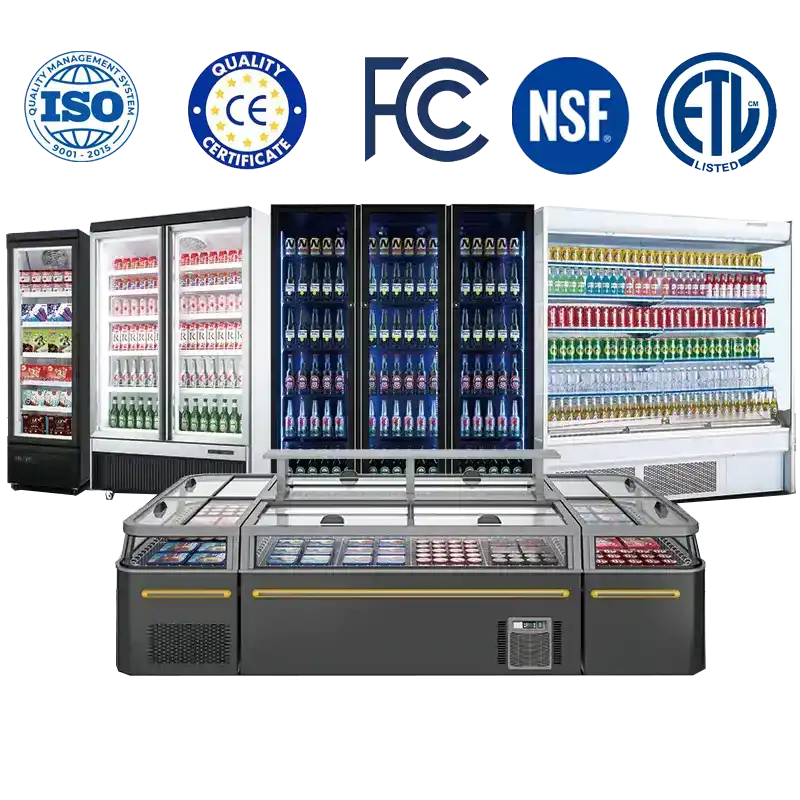
Display refrigerators, commonly used in retail settings, combine durability with aesthetic appeal. They are designed with tempered glass doors and sturdy frames to protect products while showcasing them attractively. Modern display refrigerators also feature energy-efficient lighting and temperature control systems.
4. Benefits of Modern Commercial Refrigerators for Businesses
Investing in modern commercial refrigerators offers numerous benefits for businesses:
a. Improved Food Safety
With precise temperature control and advanced cooling systems, modern refrigerators ensure that perishable goods are stored at safe temperatures, reducing the risk of spoilage and foodborne illnesses.
b. Reduced Operational Costs
Energy-efficient designs and smart technology help businesses save on energy bills and maintenance costs, contributing to long-term savings.
c. Enhanced Productivity
Customizable storage options and user-friendly features streamline operations, allowing staff to work more efficiently.
d. Increased Customer Satisfaction
For businesses in the food and retail industries, reliable refrigeration ensures that products are fresh and appealing, leading to higher customer satisfaction and repeat business.
5. Tips for Choosing the Right Commercial Refrigerator
When selecting a commercial refrigerator, consider the following factors:
- Size and Capacity: Choose a unit that meets your storage needs without occupying excessive space.
- Energy Efficiency: Look for Energy Star-certified models to reduce energy consumption.
- Durability: Opt for units made from high-quality materials and equipped with heavy-duty components.
- Functionality: Consider features such as temperature control, smart technology, and customizable storage options.
- Warranty and Support: Ensure the manufacturer offers a reliable warranty and customer support.
Conclusion
Modern commercial refrigerators are a testament to how far technology has come in meeting the demands of today’s businesses. With their unparalleled durability and advanced functionality, these appliances not only enhance operational efficiency but also contribute to food safety, cost savings, and customer satisfaction. Whether you run a restaurant, supermarket, or any other business that relies on refrigeration, investing in a modern commercial refrigerator is a decision that will pay off in the long run. By understanding the features and benefits of these units, you can make an informed choice that aligns with your business needs and goals.